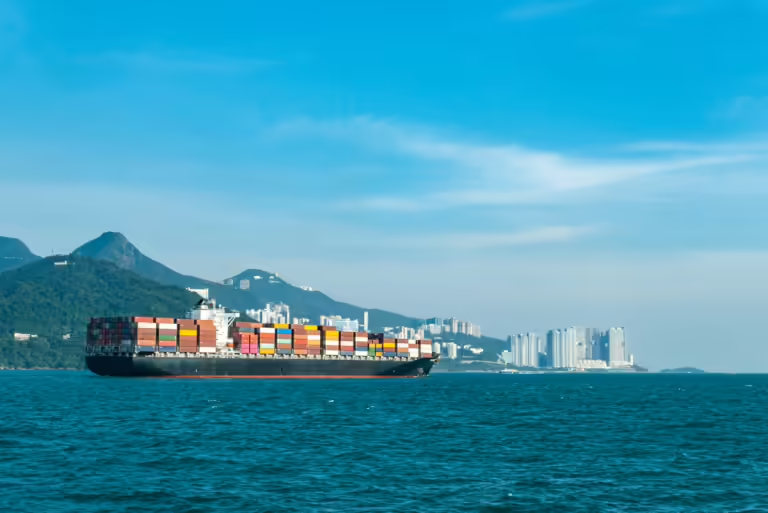
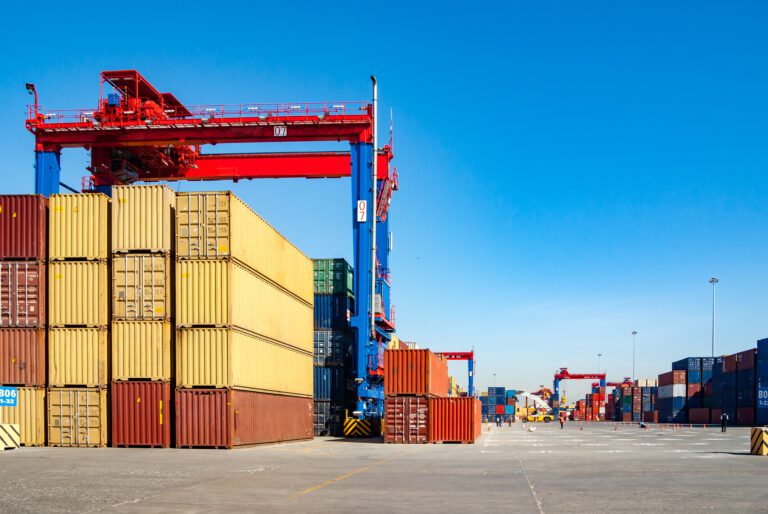
In the fast-paced world of international logistics, every shipment crosses borders governed by complex customs regulations. Among the most essential—but often overlooked—elements of global trade compliance are HS Codes and Schedule B Numbers. Whether you’re a small e-commerce business shipping overseas for the first time or a seasoned exporter managing global supply chains, understanding these codes is essential for ensuring smooth customs clearance, accurate duty payments, and compliance with international trade laws.
What Are HS Codes and Schedule B Numbers?
The Harmonized System (HS) is a globally standardized system of names and numbers used to classify traded goods. Developed by the World Customs Organization (WCO), the HS code helps customs authorities around the world identify the contents of shipments, determine applicable tariffs, and gather trade statistics.
- HS Code (Harmonized System Code): A six-digit code used internationally to classify goods. Every country that uses the HS system adds its own additional digits for further detail.
- Schedule B Number: A 10-digit code used specifically by the United States to classify products for export. It is based on the HS Code but tailored to the U.S. export system and managed by the U.S. Census Bureau.
For importers, the corresponding number is called the HTS (Harmonized Tariff Schedule) code, managed by the U.S. International Trade Commission (USITC). Together, HS, Schedule B, and HTS codes ensure that goods are consistently categorized worldwide.
Why These Codes Matter
- Ensuring Smooth Customs Clearance
When your shipment arrives at an international border, customs authorities rely on HS codes to determine what’s inside the shipment—without opening it. Using the correct code ensures that your goods are properly declared, reducing the risk of delays, fines, or seizure. Incorrect codes can trigger lengthy inspections or reclassification, causing unexpected costs and delivery disruptions.
- Determining Duties, Taxes, and Tariffs
HS codes directly influence the duty rate applied to your goods. Even a one-digit difference can drastically alter the amount you owe in tariffs. For example, a product classified under an incorrect HS code may fall under a category with a higher tax rate—or one that’s restricted entirely.
By using accurate HS or Schedule B numbers, you can calculate landed costs more precisely, giving you and your clients transparent pricing and avoiding costly surprises.
- Trade Compliance and Avoiding Penalties
Governments use HS codes to monitor trade flows and enforce import and export controls. Incorrectly classifying goods can result in penalties, fines, or even export bans. Compliance with these regulations is not just about avoiding fines—it’s about maintaining credibility and trust with customs authorities and your customers.
For U.S. exporters, using the correct Schedule B code is also required when filing Electronic Export Information (EEI) through the Automated Export System (AES). Mis declaring can lead to compliance violations under the Foreign Trade Regulations (FTR).
- Facilitating Trade Data and Market Analysis
Accurate HS and Schedule B codes contribute to valuable trade statistics collected by customs agencies worldwide. These statistics help businesses and policymakers track economic trends, identify trade opportunities, and assess global supply chain performance.
For businesses expanding internationally, these codes can also be used to analyze competitors, identify new markets, and forecast potential demand in different regions.
- Streamlining Global Supply Chain Operations
In international logistics, efficiency is key. Freight forwarders, customs brokers, and shipping carriers rely on HS codes to classify and process shipments quickly. When your cargo is accurately coded, it speeds up communication between all parties involved—from the warehouse to the final destination—reducing transit times and improving your overall supply chain performance.
How to Find the Correct HS or Schedule B Code
Finding the correct code can feel overwhelming, but there are reliable resources to guide you:
- U.S. Census Bureau’s Schedule B Search Tool – Allows exporters to identify the correct Schedule B number for their goods.
- U.S. International Trade Commission (USITC) HTS Database – Useful for importers to find HTS codes and tariff rates.
- Customs Broker or Freight Forwarder Consultation – Experienced logistics professionals can assist with product classification to ensure accuracy.
- Manufacturer Documentation – Often, your supplier or manufacturer already uses an HS code on invoices or packing lists, which can serve as a reference point.
When classifying products, pay close attention to product composition, use, and function—these factors determine the appropriate classification. For example, “cotton T-shirts” and “polyester T-shirts” may look similar but have different HS codes and duty rates.
Common Mistakes to Avoid
Even experienced shippers make errors when assigning HS or Schedule B codes. Here are some common pitfalls to watch out for:
- Using generic or outdated codes: HS codes are updated every five years to reflect changes in global trade. Always confirm your code is current.
- Copying supplier codes blindly: Codes used by foreign suppliers might not align with your country’s customs regulations.
- Ignoring product variations: Slight differences in material or use can change classification.
- Failing to double-check documentation: Mismatched product descriptions and HS codes can trigger customs audits.
By staying proactive, you can prevent delays, reduce costs, and maintain compliance.
The Role of Logistics Partners in HS Code Compliance
Choosing the right international freight forwarder or customs broker can make all the difference. Expert logistics providers offer classification assistance, review your product catalog for accuracy, and ensure your shipping documentation aligns with customs regulations across borders.
Partnering with a logistics company that understands HS codes and Schedule B compliance helps you:
- Avoid costly misclassifications.
- Ensure proper tariff application.
- Streamline customs clearance.
- Improve customer satisfaction with on-time deliveries.
When your logistics partner handles classification and compliance efficiently, you gain peace of mind—and more time to focus on growing your business.
HS Codes Are the Language of Global Trade
In international shipping, HS and Schedule B codes are far more than just numbers on a form—they’re the universal language of trade. They connect every point in the supply chain, from manufacturers and freight forwarders to customs authorities and end customers.
Understanding and correctly using these codes ensures faster customs clearance, accurate duties, and global compliance, allowing your business to expand internationally with confidence. By investing a little time in mastering HS and Schedule B classification—or partnering with an experienced logistics provider—you can minimize risk, reduce costs, and enhance your reputation as a reliable global trader.
Contact us today to learn how our freight forwarding expertise can support your international logistics and elevate your global supply chain.