Shipping freight from the USA to France doesn’t have to feel like decoding a secret manual. Whether you’re moving a full container of goods to a French distributor, sending palletized inventory to a third-party logistics hub, or rushing high-value parts by air, the key is matching the right mode to your cargo, timeline, and budget — and arriving at French customs with the correct paperwork.
Below is a helpful guide to freight shipping from the United States to France, primarily focused on ocean freight (FCL and LCL) and air freight, plus what typically ships on this lane and the customs requirements you’ll want nailed down before booking.
Why France Is a Major Gateway for U.S. Exporters
France is one of the United States’ biggest trading partners in Europe and a strategic entry point into the EU single market. Once cargo clears French customs, they can often move onward within the EU without additional border formalities. For U.S. exporters, that means one well-managed import into France can unlock access to multiple European markets.
Key advantages of shipping into France include:
- Strong infrastructure at major ports and airports
- Efficient EU-wide distribution once cleared
- Large demand for specialized U.S. products across industrial and consumer sectors
Ocean Freight from the USA to France: FCL vs. LCL
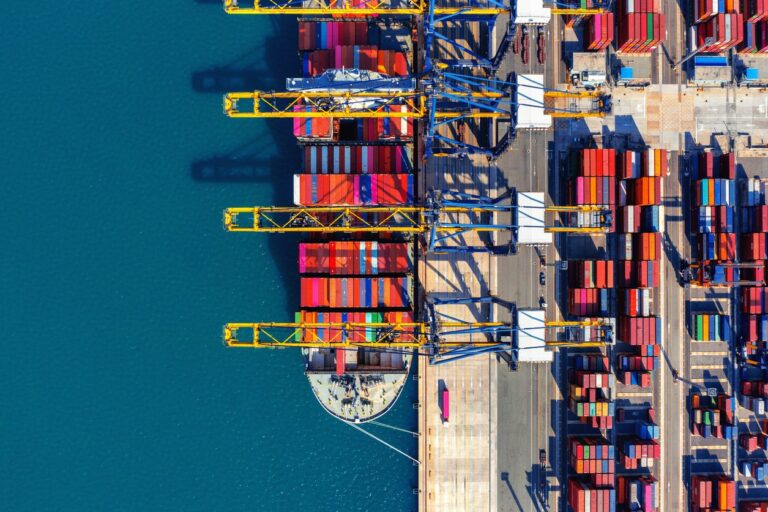
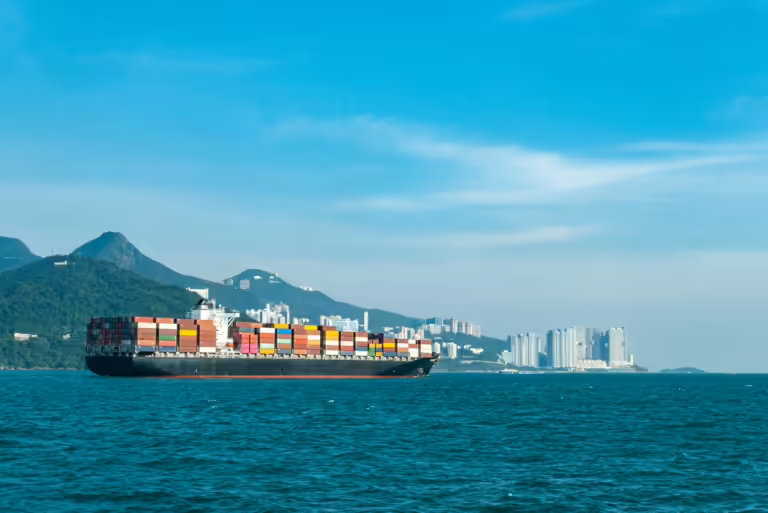
Ocean freight is the backbone of transatlantic trade. It delivers the lowest cost per unit for heavy or bulky cargo and is ideal when your timeline is flexible. Your two primary choices are Full Container Load (FCL) and Less than Container Load (LCL).
Full Container Load (FCL) Shipping
FCL means your cargo occupies an entire container — most commonly 20-foot or 40-foot. Your freight is loaded, sealed, and generally stays in that container from start to finish.
Best for:
- High-volume shipments
- Heavy goods such as machinery, automotive parts, or bulk retail stock
- Freight needing extra security or minimal handling
Customer benefits:
- Lower cost per CBM at scale
- Reduced damage risk because the container isn’t shared
- Simpler scheduling for pickup and delivery
If you ship steady volume to France, FCL often becomes the most cost-efficient and predictable option.
Less than Container Load (LCL) Shipping
LCL consolidates your freight with other shippers’ cargo in one container. You pay for your share of space, typically based on cubic meters (CBM).
Best for:
- Small to mid-sized exports
- Trial orders, seasonal replenishment, or startups expanding to Europe
- Shippers who want ocean pricing without full-container volume
Customer benefits:
- Pay only for the space you use
- Flexible for recurring smaller orders
- Great stepping-stone before moving to FCL
Keep in mind: LCL requires consolidation and deconsolidation at both ends, so it involves more handling and can add a few days to transit. If timing is tight, plan a buffer.
Air Freight from the USA to France
Air freight is your fast lane: higher cost, dramatically shorter transit time. It’s the right fit when speed, reliability, or product value outweigh the price difference versus ocean freight.
Best for:
- Electronics and semiconductors
- Medical devices, pharmaceuticals, biotech
- Fashion, luxury goods, samples, or urgent spare parts
- Inventory rebalancing when you’re close to stocking out
Customer benefits:
- Fastest transit on the lane
- Lower inventory holding time (better cash flow)
- Stronger predictability for launches and urgent demand
Air freight pricing uses chargeable weight (the greater of actual or volumetric weight). Lightweight but bulky shipments can cost more than expected, so confirm dimensions before booking.
Common Products Shipped from the U.S. to France
France’s economy blends advanced manufacturing, aerospace, healthcare, and a huge consumer and luxury market. That diversity drives steady demand for U.S. goods, especially:
- Industrial and automotive components (OEM parts, tools, machinery)
- Aerospace and high-tech equipment
- Medical and scientific instruments
- Consumer goods and retail inventory (apparel, home goods, specialty products)
- Cosmetics and personal care products (high demand, but regulated)
- Food and beverages that meet EU standards (packaged or specialty items)
Knowing your product category upfront helps you plan the correct compliance path and avoid customs delays.
France Customs Clearance: What You Need to Ship Smoothly
France follows EU customs rules, so think “France + EU requirements.” Your French buyer/importer usually handles clearance, but your documents and shipment data must be accurate and complete.
Core Documents Required for Shipping
You will almost always need:
- Commercial Invoice
- Shipper/consignee details
- Detailed item descriptions (avoid vague labels)
- HS codes, value, currency
- Incoterms and country of origin
- Packing List
- Carton/pallet counts
- Weights and dimensions
- Shipping marks and contents by package
- Transport Document
- Bill of Lading (B/L) for ocean
- Air Waybill (AWB) for air
- Importer EORI Number
- The importer must have an EORI (Economic Operator Registration and Identification) number to clear goods in France.
EU Security Filings (ICS2)
The EU Import Control System 2 requires pre-loading security data before cargo is loaded — especially for air and consolidated ocean shipments. Missing data can lead to holds, rollovers, or inspection.
Duties and VAT in France
France applies the EU Common External Tariff, meaning duty depends on the HS code. Import VAT is also charged on most goods. Your declared value and Incoterms affect taxable value, so accuracy on the invoice is critical.
Product-Specific Rules and Certifications
Some goods need extra paperwork or compliance checks, such as:
- Food, plant, and animal products
- Health or phytosanitary certificates
- Cosmetics and chemicals
- EU-compliant labeling and safety docs
- Electronics
- CE marking, WEEE/RoHS obligations
- Controlled goods
- Licenses may be required for pharmaceuticals, cultural goods, or restricted items
Prohibited or Restricted Items
France restricts items such as:
- Counterfeit products
- Certain weapons and controlled materials
- Items from endangered species
- Some tightly regulated medicines
If there’s any doubt, verify restrictions before shipping. Customs seizures are costly and can impact future shipment clearance.
How to Choose the Right Freight Option
Use these simple checks:
- How urgent is delivery?
- Under 1–2 weeks: Air freight
- Flexible timeline: Ocean freight
- How much volume are you shipping?
- 12–15+ CBM regularly: compare FCL vs. LCL
- Smaller or irregular: LCL
- How valuable or fragile is the cargo?
- High-value/sensitive: Air or FCL
- Sturdy/lower value: LCL or FCL ocean
- Do you need predictable landed cost?
- Confirm Incoterms, duties, and VAT early.
A Smoother Shipment Starts Before Booking
The fastest way to prevent delays isn’t paying more for speed — it’s preparing better.
Before you ship:
- Confirm HS codes and origin statements early
- Ensure your buyer has an active EORI and VAT setup
- Provide accurate product descriptions
- Send full shipment data ahead for EU security filing
- Budget duties and VAT into your landed cost model
Your Next Shipment to France
Shipping cargo from the USA to France is about choosing the right mode for your goods and handling compliance before it ships. FCL delivers control and efficiency at volume, LCL keeps smaller shipments flexible and cost-effective, and air freight provides the speed you need for urgent or high-value cargo. With accurate documents, clean shipment data, and a clear understanding of French and EU customs requirements, you can reduce delays, protect your margins, and keep your French and European customers reliably supplied.
Contact us today to learn how our freight forwarding expertise can support your international logistics and elevate your global supply chain.