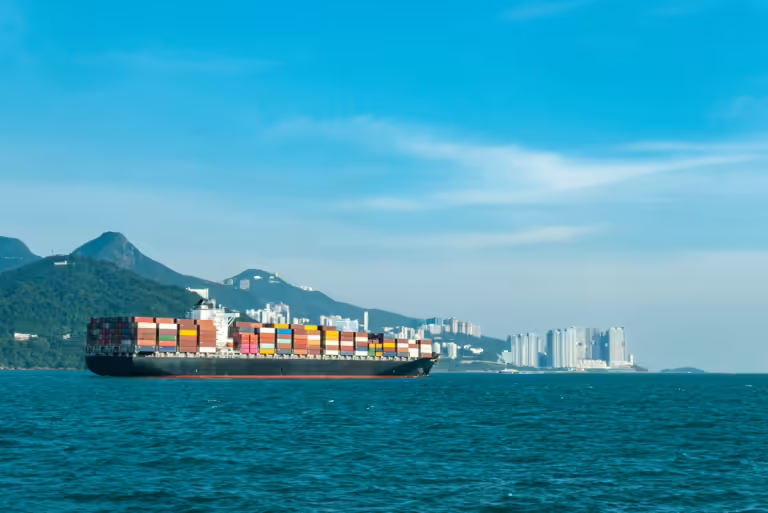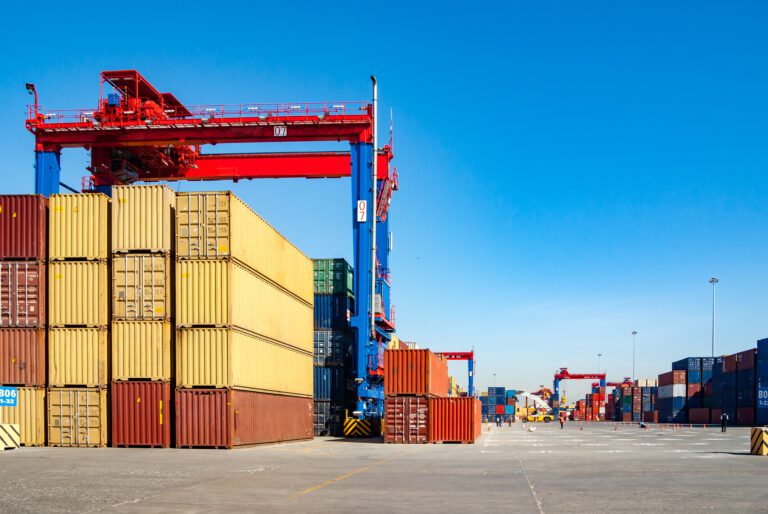
For businesses importing goods into the United States by ocean freight, customs compliance begins long before a container reaches a U.S. port. One of the most important requirements importers need to understand is the Importer Security Filing (ISF).
Commonly known as ISF 10+2, the filing gives U.S. Customs and Border Protection (CBP) advance information about cargo moving toward the United States by vessel. The goal is to improve cargo security and help CBP identify potentially high-risk shipments before they enter the country.
For importers, however, ISF is more than another customs form. Missing a deadline or submitting inaccurate information can lead to shipment delays, additional inspections, and financial penalties. Understanding the process and working with an experienced freight forwarder or customs professional can help keep your international supply chain moving smoothly.
What Is an Importer Security Filing?
An Importer Security Filing is an electronic submission of shipment information required for certain cargo entering the United States by ocean vessel.
The regulation became effective in 2009 and is frequently referred to as the 10+2 rule. The “10” refers to information associated with the importer and shipment, while the “2” refers to additional data supplied by the ocean carrier.
Unlike customs entry documentation completed around the time cargo arrives, much of the ISF information must be transmitted before the shipment is loaded aboard the vessel destined for the United States. That makes communication between the importer, overseas supplier, freight forwarder, carrier, and customs broker especially important.
What Information Is Required for ISF 10+2?
For goods intended to enter U.S. commerce or a Foreign Trade Zone, the ISF process generally involves ten importer-related data elements.
These include:
- Seller
- Buyer
- Importer of record number or FTZ applicant identification number
- Consignee number
- Manufacturer or supplier
- Ship-to party
- Country of origin
- Harmonized Tariff Schedule of the United States (HTSUS) number
- Container stuffing location
- Consolidator
The ocean carrier is responsible for two additional sets of information: the vessel stow plan and container status messages, creating the commonly used “10+2” terminology.
Accurate information matters. Something as simple as an incorrect manufacturer, consignee number, or HTS classification can create complications later in the customs clearance process.
When Does an ISF Need to Be Filed?
Timing is one of the most important parts of ISF compliance.
For standard U.S. import shipments, eight of the importer data elements generally must be submitted at least 24 hours before the cargo is loaded aboard a vessel destined for the United States. Container stuffing location and consolidator information may be submitted later but generally no later than 24 hours before the vessel arrives at a U.S. port.
This requirement is why importers should not wait until a shipment is already at sea before thinking about customs documentation.
Ideally, ISF coordination should begin as soon as the booking is confirmed, and the supplier has the necessary shipping information.
Who Is Responsible for Filing the ISF?
The legal responsibility ultimately rests with the ISF Importer, although an authorized agent can submit the filing on the importer’s behalf.
In practice, many businesses rely on customs brokers, freight forwarders, or other qualified logistics providers to coordinate the filing.
That does not mean the importer can completely step away from the process. Your logistics provider still needs accurate information from you and your supplier. Establishing a repeatable documentation process with vendors can significantly reduce last-minute problems.
For regular importers, it is helpful to maintain consistent records for:
- Manufacturer and supplier information
- Importer of record details
- Consignee information
- HTS classifications
- Country of origin
- Shipping and consolidation partners
The more standardized your import process becomes, the easier ISF compliance is to manage.
What Happens If an ISF Is Filed Late or Incorrectly?
Failure to comply with ISF requirements can become expensive. CBP states that noncompliance may result in monetary penalties, increased cargo inspections, and shipment delays. CBP guidance also provides for liquidated damages that can reach $5,000 per violation for inaccurate, incomplete, or untimely filings.
Beyond the direct financial impact, customs issues can create additional supply chain costs. A delayed container can disrupt production schedules, inventory availability, warehouse planning, and customer deliveries. Importers may also face storage, demurrage, detention, or other destination charges while a shipment is being resolved.
That makes proper ISF filing an important part of broader import customs compliance and supply chain risk management.
ISF vs. Customs Entry: What Is the Difference?
Importers sometimes assume that filing an ISF means their shipment has been cleared through customs. These are separate processes.
The Importer Security Filing provides advance security information about an incoming ocean shipment. Customs entry, on the other hand, addresses the formal importation of merchandise, including duties, classification, valuation, and admissibility.
Both processes are important, and the information used across your shipping documents should be consistent.
Coordinating your ocean freight forwarding, customs documentation, and import clearance through experienced logistics partners can help identify discrepancies before they turn into costly problems.
How Importers Can Avoid ISF Problems
The best approach to ISF compliance is proactive preparation. Send shipment information to your logistics provider as early as possible, confirm HTS classifications before shipping, and make sure overseas suppliers understand what information they must provide. Avoid waiting until a vessel’s cutoff date to begin gathering documentation.
For companies importing regularly, creating a standardized shipping checklist can make a major difference.
Your freight forwarder can also help coordinate documentation with overseas agents, suppliers, ocean carriers, and customs brokers so that information flows correctly throughout the shipment.
ISF Compliance Starts Before Your Cargo Sails
Importer Security Filing may seem like a small part of the international shipping process but getting it wrong can have significant consequences.
Successful importers treat ISF filing as part of their overall ocean freight strategy, not as paperwork to complete after a shipment has already departed.
By planning early, maintaining accurate shipping data, and working with an experienced international freight forwarder, companies can reduce customs risk, avoid unnecessary delays, and create a more predictable import process.
Contact Allison Shipping for reliable ocean freight forwarding, customs coordination, and personalized logistics solutions designed to keep your cargo moving.