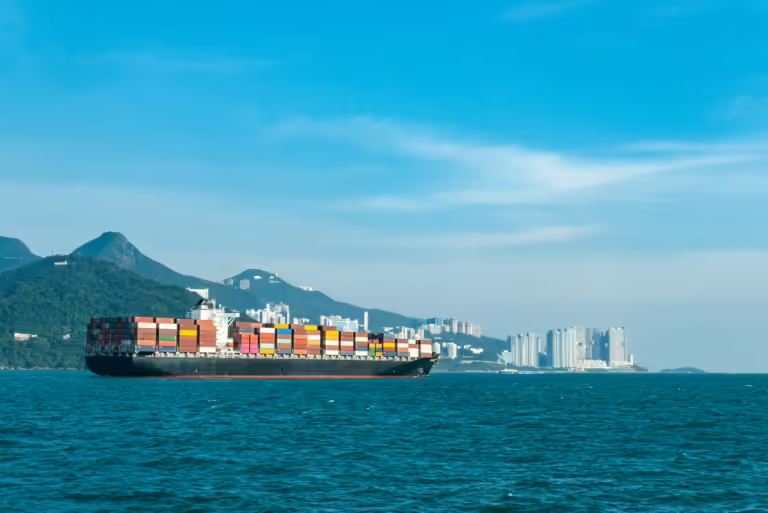
Trade between the United States and Brazil continues to grow, creating strong demand for reliable international freight forwarding services. Brazil is the largest economy in South America and a key trading partner for U.S. companies in industries such as agriculture, manufacturing, energy, and technology. Businesses moving cargo between the two countries rely heavily on ocean container shipping, along with air freight for more time-sensitive shipments.
In this guide, we’ll explore the most common commodities traded between the U.S. and Brazil, the customs requirements for importing and exporting, and how FCL, LCL, project cargo, and air freight services support this trade lane. Whether you’re a new exporter or an experienced importer, understanding the logistics landscape can help ensure a smooth shipment process.
Key Commodities Traded Between the USA and Brazil
Trade between the United States and Brazil involves a wide variety of goods across multiple industries.
Major U.S. Exports to Brazil
Many U.S. companies ship industrial and agricultural products to Brazil. Common exports include:
- Machinery and industrial equipment
- Electrical equipment and electronics
- Chemical products and plastics
- Agricultural products
- Medical devices and pharmaceuticals
- Aircraft parts and aerospace components
- Oil and refined petroleum products
Brazil’s growing manufacturing and infrastructure sectors create ongoing demand for these types of products, making ocean freight shipping from the USA to Brazil a critical supply chain component.
Major Brazilian Exports to the United States
Brazil is a major exporter of natural resources and agricultural products. Popular imports into the U.S. include:
- Coffee
- Iron ore and steel
- Crude oil and petroleum products
- Beef and poultry
- Sugar and ethanol
- Orange juice
- Wood and pulp products
These commodities are typically transported in large volumes via ocean container shipping or bulk vessels, depending on the type of cargo.
Ocean Freight Shipping Between the USA and Brazil
Ocean freight is the most common and cost-effective method for transporting goods between the United States and Brazil. Freight forwarders typically use containerized shipping, which provides secure and efficient cargo movement.
Full Container Load (FCL)
FCL shipping is ideal for businesses moving larger shipments that can fill an entire container.
Common container sizes include:
- 20-foot container
- 40-foot container
- 40-foot high cube container
FCL offers several advantages:
- Faster transit times
- Lower risk of cargo damage
- Better cost efficiency for larger shipments
- Greater control over cargo handling
Typical U.S. export ports serving Brazil include:
- Miami
- Houston
- New York / New Jersey
- Savannah
- Charleston
Major Brazilian ports include:
- Port of Santos (largest port in Brazil)
- Port of Rio de Janeiro
- Port of Paranaguá
- Port of Itajaí
A reliable international freight forwarder can coordinate FCL container shipments from inland U.S. locations to Brazilian ports through intermodal trucking and rail connections.
Less Than Container Load (LCL)
For smaller shipments that do not require a full container, LCL shipping allows multiple customers’ cargo to be consolidated into a single container.
Benefits of LCL shipping include:
- Lower costs for small shipments
- Flexible shipping schedules
- Ideal for small businesses or first-time exporters
LCL shipments are consolidated at origin warehouses and deconsolidated upon arrival in Brazil before final delivery. Although transit times may be slightly longer than FCL due to consolidation processes, LCL remains a popular international shipping solution for smaller cargo volumes.
Project Cargo and Oversized Shipments
Brazil’s infrastructure, mining, and energy sectors often require project cargo logistics to accommodate oversized or heavy equipment.
Examples of project cargo include:
- Power generation equipment
- Construction machinery
- Mining equipment
- Oil and gas components
- Industrial manufacturing systems
These shipments may involve:
- Flat rack containers
- Open-top containers
- Breakbulk shipping
Project cargo shipments require specialized planning, including route surveys, lifting equipment coordination, and port handling arrangements. An experienced project freight forwarding company can manage these complex shipments to ensure safe delivery to Brazilian project sites.
Air Freight Shipping Between the USA and Brazil
While ocean freight handles most trade volume, air freight shipping plays an important role for urgent or high-value cargo.
Air freight is commonly used for:
- Electronics
- Aerospace components
- Medical supplies
- Spare parts
- High-value consumer goods
Major air cargo hubs include:
United States
- Miami International Airport (MIA)
- Houston (IAH)
- Atlanta (ATL)
Brazil
- São Paulo / Guarulhos International Airport (GRU)
- Campinas / Viracopos Airport (VCP)
- Rio de Janeiro / Galeão Airport (GIG)
Although air freight costs more than ocean transport, it offers significantly quicker transit times, often 1–3 days compared to that of 15–30 days for ocean freight.
Customs Requirements for Importing into Brazil
Brazil has a complex customs system, and proper documentation is essential to avoid delays.
Key documents required for importing goods into Brazil include:
- Commercial Invoice
- Packing List
- Bill of Lading (for ocean shipments)
- Air Waybill (for air shipments)
- Import License (when applicable)
Brazil also requires importers to be registered in the RADAR system, which is administered by the Brazilian Federal Revenue Service.
Customs clearance is processed through Brazil’s electronic system known as SISCOMEX (Integrated Foreign Trade System). Import duties, taxes, and fees may include:
- Import Duty (II)
- Industrialized Product Tax (IPI)
- PIS / COFINS taxes
- ICMS state tax
Because Brazil’s tax structure can be complex, working with an experienced international freight forwarder and customs broker is strongly recommended.
Export Requirements from Brazil to the USA
When exporting goods from Brazil to the United States, exporters must prepare several key documents, including:
- Commercial invoice
- Export declaration
- Packing list
- Bill of lading or air waybill
U.S. importers must also comply with U.S. Customs and Border Protection (CBP) regulations. Certain products may require additional approval from agencies such as:
- FDA (Food and Drug Administration)
- USDA (for agricultural products)
Ensuring accurate documentation and compliance with both Brazilian and U.S. regulations help prevent costly delays at ports or airports.
Choosing the Right Freight Forwarder for Brazil Shipping
Shipping goods between the United States and Brazil requires expertise in international logistics, customs compliance, and ocean and air freight operations. Businesses benefit from partnering with a freight forwarding company that understands both markets and can provide:
- FCL and LCL ocean freight services
- Project cargo and oversized freight solutions
- Air freight options for urgent shipments
- Customs clearance support
- Door-to-door logistics coordination
Working with a trusted logistics partner can help streamline supply chains and reduce shipping risks.
Simplifying U.S.–Brazil Freight Shipping
The trade relationship between the United States and Brazil continues to expand, creating opportunities for companies across many industries. Whether shipping large container loads, smaller consolidated cargo, or specialized project freight, selecting the right transportation mode is key to maintaining efficient global supply chains.
If your business is looking to transport cargo between the United States and Brazil, partnering with an experienced logistics provider can make all the difference. Contact Allison Shipping today to get a competitive quote and personalized logistics plan for your international freight needs.