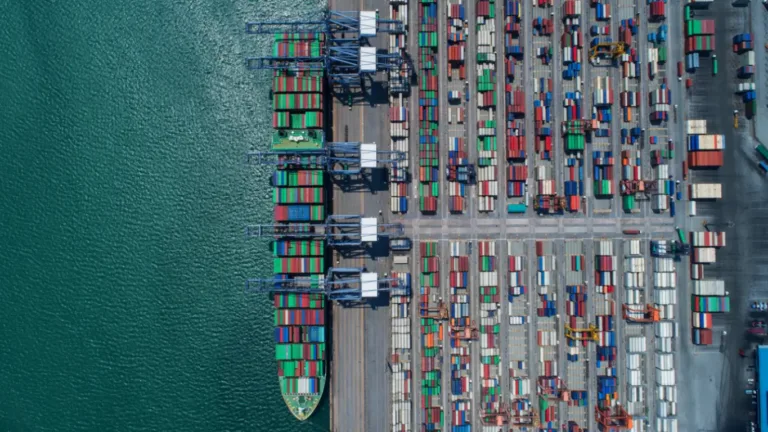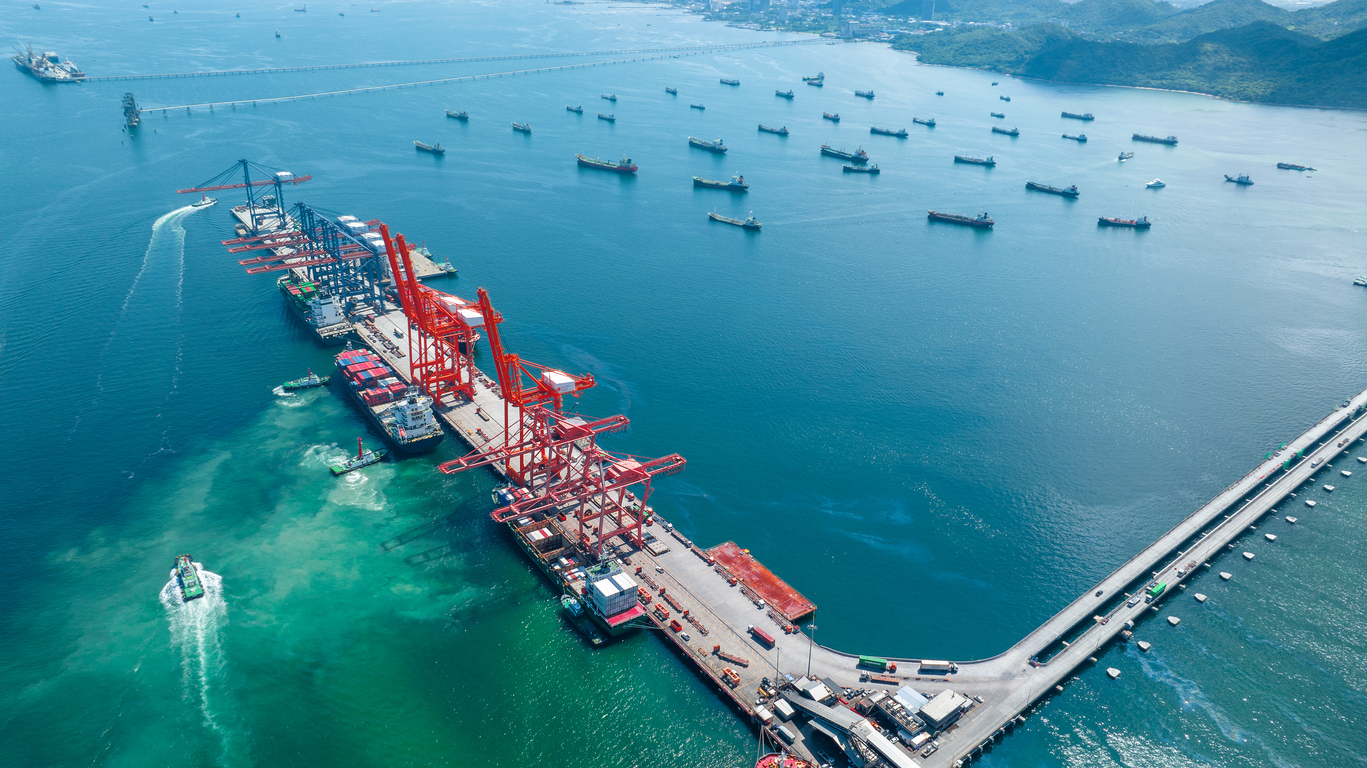
In today’s fast-moving global economy, companies depend on reliable international logistics to keep their supply chains running smoothly. Yet even the most experienced shippers are feeling the strain of capacity crunches and space allocation challenges across ocean freight, air freight, and multimodal transportation. For businesses shipping products internationally, understanding how these issues arise and how to plan around them, can make the difference between on-time delivery and costly delays.
This blog covers what capacity crunches are, the importance of space allocation, and ways commercial shippers can protect their supply chains in an increasingly competitive market.
What Is a Capacity Crunch?
A capacity crunch occurs when demand for transportation space exceeds the available capacity. This imbalance can happen across multiple modes of transport, including container shipping, air cargo, and cross-border trucking.
In international freight forwarding, capacity crunches are often driven by factors such as:
- Seasonal shipping peaks (holiday retail, agricultural exports, manufacturing surges)
- Port congestion and labor disruptions
- Equipment shortages, including containers and chassis
- Sudden changes in global trade volumes
- Geopolitical events or regulatory shifts
When capacity tightens, carriers prioritize shipments based on contracts, pricing, and long-term relationships, which results in spot shipments and unplanned freight vulnerable to rollovers or premium surcharges.
Why Space Allocation Matters for B2B Shipments
Space allocation refers to how carriers assign limited cargo space among shippers. For B2B customers shipping high-volume or time-sensitive goods, this process directly impacts transit times, landed costs, and customer satisfaction.
Unlike small parcel shipping, commercial freight relies heavily on advance planning and forecasting. Without secured space allocation, companies may face:
- Rolled containers at origin ports
- Delayed flight schedules
- Unexpected rate increases
- Inventory shortages or production downtime
For manufacturers, distributors, and wholesalers, these disruptions can ripple through the entire supply chain impacting sales commitments and client relationships.
Common Capacity Challenges in International Freight
Ocean Freight Capacity Constraints
Ocean freight remains the backbone of global trade, but it is also the most vulnerable to congestion. Blank sailings, vessel re-deployments, and port bottlenecks can quickly reduce available container space. During peak seasons, shippers without allocated capacity may struggle to move freight at all.
Air Freight Space Limitations
Air cargo capacity is especially sensitive to market shifts. Passenger flight reductions, e-commerce surges, and urgent commercial shipments often compete for limited space. Shippers moving high-value or time-critical goods must secure space early or risk costly delays.
Inland and Cross-Border Bottlenecks
Capacity crunches don’t stop at the port or airport. Trucking shortages, rail congestion, and customs delays can create inland choke points, especially for cross-border logistics and intermodal freight.
How Capacity Crunches Impact Commercial Shippers
For B2B shippers, the consequences of capacity constraints go beyond higher freight rates. They can affect:
- Inventory management: Delayed shipments lead to stockouts or excess safety stock.
- Production schedules: Manufacturers may halt operations due to missing components.
- Customer commitments: Missed delivery windows damage trust and long-term contracts.
- Cash flow: Increased logistics costs reduce margins and strain budgets.
In a competitive market, reliable logistics performance is often as important as price.
Strategies to Navigate Capacity Crunches Successfully
- Forecast and Plan Ahead
Accurate demand forecasting allows freight forwarders to secure space in advance. Sharing shipment forecasts with your logistics partner improves your chances of guaranteed capacity during peak periods.
- Secure Contracted Capacity
Long-term contracts with carriers or freight forwarders provide priority access to space. While spot rates may seem attractive short-term, contracted capacity offers stability and predictability for commercial shipping.
- Diversify Transportation Modes
Relying on a single mode or trade lane increases risk. A flexible international logistics strategy may include a mix of ocean freight, air freight, and multimodal solutions to adapt when capacity tightens.
- Leverage Strong Freight Forwarding Partnerships
Experienced freight forwarders have established carrier relationships and market visibility. They can advocate for your shipments, negotiate space allocation, and offer alternative routing when disruptions occur.
- Build Lead Time into Your Supply Chain
Extended lead times create buffers against capacity shortages. While this may require earlier ordering, it reduces exposure to premium surcharges and last-minute booking challenges.
The Role of a Strategic Freight Forwarder
In periods of constrained capacity, a proactive freight forwarding partner becomes a critical asset. The right logistics provider does more than book cargo—they actively manage space allocation, monitor global shipping trends, and communicate risks before they become problems.
A strategic freight forwarder helps shippers by:
- Securing priority capacity with carriers
- Providing real-time shipment visibility
- Offering data-driven routing and mode optimization
- Navigating customs and compliance efficiently
- Reducing total landed cost through smarter planning
For companies shipping internationally, this level of expertise translates into resilience and competitive advantage.
Preparing for the Future of Global Shipping
Capacity crunches are no longer rare events, they are becoming a regular feature of global trade. As supply chains grow more complex, companies that invest in planning, partnerships, and flexibility will be best positioned to succeed.
Understanding capacity crunches and space allocation empowers shippers to make informed decisions, protect service levels, and maintain control over logistics costs. In an unpredictable freight market, preparation is the most valuable currency.
Moving Forward
For businesses navigating international logistics, capacity management is not just a shipping issue, it’s a business strategy. By working closely with an experienced freight forwarder and planning ahead, commercial shippers can turn capacity challenges into opportunities for stronger, more resilient supply chains.
If your company is looking to improve reliability, reduce risk, and secure space in a competitive freight market, now is the time to rethink how you approach capacity and space allocation.
Contact us today to learn how our freight forwarding expertise can support your international logistics and elevate your global supply chain.