If you’re planning to ship goods from the United States to New Zealand, you’re not alone. Every year, thousands of companies and individuals send containers filled with everything from commercial products to personal belongings across the Pacific. But understanding how international shipping works—and what options best fit your needs—can make all the difference in cost, timing, and peace of mind.
In this guide, we’ll walk you through everything you need to know about container shipping from the USA to New Zealand: how it works, the main types of container options (like full container load vs. shared), how to choose the right NVOCC (Non-Vessel Operating Common Carrier), and what kinds of products are commonly shipped to New Zealand’s major ports.
Why Ship to New Zealand?
New Zealand has a strong trade relationship with the United States, importing a wide variety of goods—from machinery and electronics to vehicles, food products, and furniture. With ports like Auckland, Wellington, Lyttelton, and Tauranga serving as major entry points, the shipping process is well established and efficient.
Whether you’re a company expanding internationally or an individual relocating, container shipping offers a secure, scalable, and cost-effective way to move goods over long distances.
How Container Shipping Works
Container shipping is one of the most reliable and economical ways to transport goods globally. Here’s the basic process for international shipping between the USA and New Zealand:
- Booking Your Shipment – You’ll first work with a shipping provider or NVOCC to reserve space on a vessel. They’ll help determine the right container size and service type.
- Container Loading – Depending on your service (FCL or LCL), your goods will either fill a full container or share space with others.
- Export Clearance – Your shipment must clear U.S. customs before it leaves port.
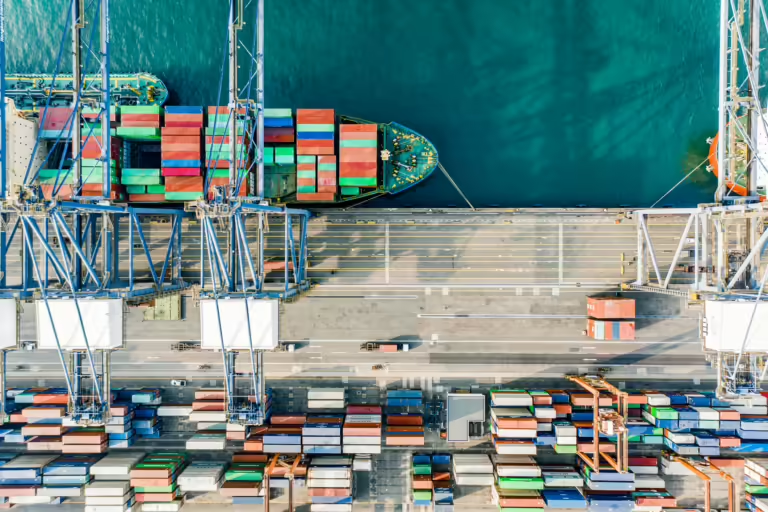
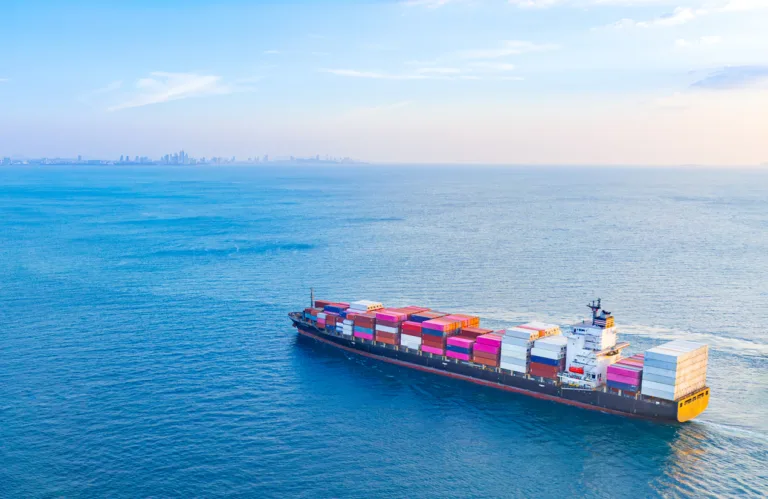
- Ocean Transit – The container travels by sea from a U.S. port (Los Angeles, New York, Houston, etc.) to a New Zealand port.
- Import Clearance – Upon arrival, New Zealand Customs reviews and approves the shipment.
- Delivery – The container is transported to your final destination by truck or rail.
From start to finish, typical transit time is about 25 to 40 days, depending on the origin, destination, and vessel schedule.
FCL vs. LCL: What Option is Best for You
Full Container Load (FCL)
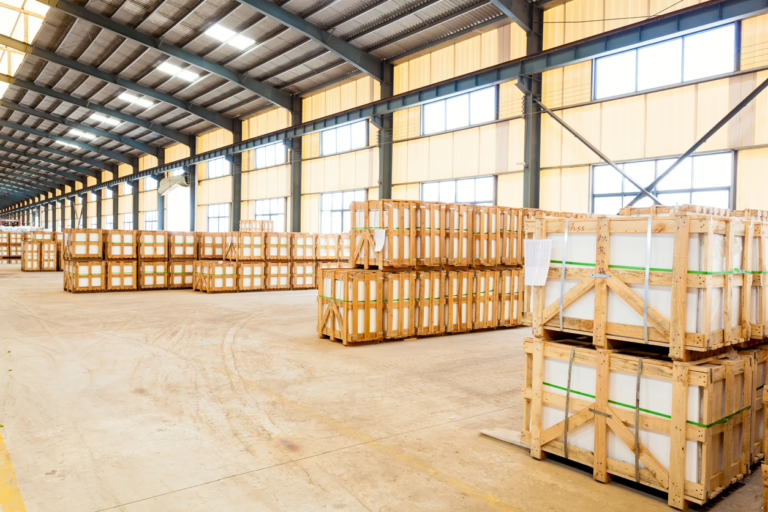
If you have enough cargo to fill an entire 20-foot or 40-foot container—or if you simply want exclusive use of a container, FCL is your best option. It’s typically faster and more secure, as your goods aren’t shared with others. FCL is also ideal for fragile or high-value shipments since there’s less handling and risk of damage.
Advantages of FCL shipping:
- Faster transit times (no waiting for container consolidation)
- Lower risk of damage or loss
- Predictable costs for large shipments
- Full control over loading and sealing
Example: A company transporting large machinery, car parts, or multiple pallets of product would likely choose an FCL for efficiency and protection.
Less than Container Load (LCL)
If you don’t have enough cargo to fill an entire container, LCL allows you to share space (and costs) with other shippers. Your goods are consolidated at a warehouse or CFS (container freight station) before shipping and deconsolidated in New Zealand.
Advantages of LCL shipping:
- Cost-effective for smaller shipments
- Flexible for moderate volumes
- Easier entry into new markets
However, keep in mind that LCL shipments can take longer due to additional handling and scheduling for consolidation.
The Role of an NVOCC
Choosing the right NVOCC (Non-Vessel Operating Common Carrier) is one of the most important parts of your shipping process. Unlike traditional shipping lines that own vessels, an NVOCC acts as an intermediary—they book space on ships operated by major carriers, negotiate rates, and handle logistics on your behalf.
A reputable NVOCC will:
- Help you choose between FCL and LCL shipping
- Manage all documentation and customs paperwork
- Provide tracking and regular shipment updates
- Offer better rates by consolidating multiple shippers’ cargo
- Ensure compliance with international trade regulations
In short, working with an experienced NVOCC can simplify your entire shipping process and save you both time and money.
Common Products Shipped to New Zealand
The trade between the USA and New Zealand is diverse, spanning consumer goods, industrial products, and raw materials. Here are some of the most common categories:
- Automotive and Machinery
Vehicles, heavy equipment, and industrial machinery make up a large portion of exports. New Zealand’s agricultural, construction, and forestry sectors rely heavily on U.S.-made machinery for reliability and performance.
- Technology and Electronics
With a growing tech sector, New Zealand regularly imports servers, computer hardware, communication systems, and electronic components from the U.S.
- Consumer Goods and Apparel
U.S. brands have a strong presence in New Zealand, with everything from apparel to outdoor equipment shipped regularly to retailers and distributors.
- Food and Beverages
American packaged foods, beverages, and specialty products—especially health and organic goods—are increasingly popular in New Zealand’s retail markets.
- Building and Construction Materials
Timber, metal, tools, and prefabricated structures are often shipped to support New Zealand’s growing construction and housing industries.
- Household Goods and Furniture
Individuals relocating from the U.S. often ship personal effects and home furnishings. Full container load shipping is especially popular for relocations, offering private, secure transport.
Major Ports in New Zealand
New Zealand’s ports are strategically located to handle both commercial and personal shipments efficiently. When your container arrives, it will likely pass through one of these key entry points:
Port of Auckland
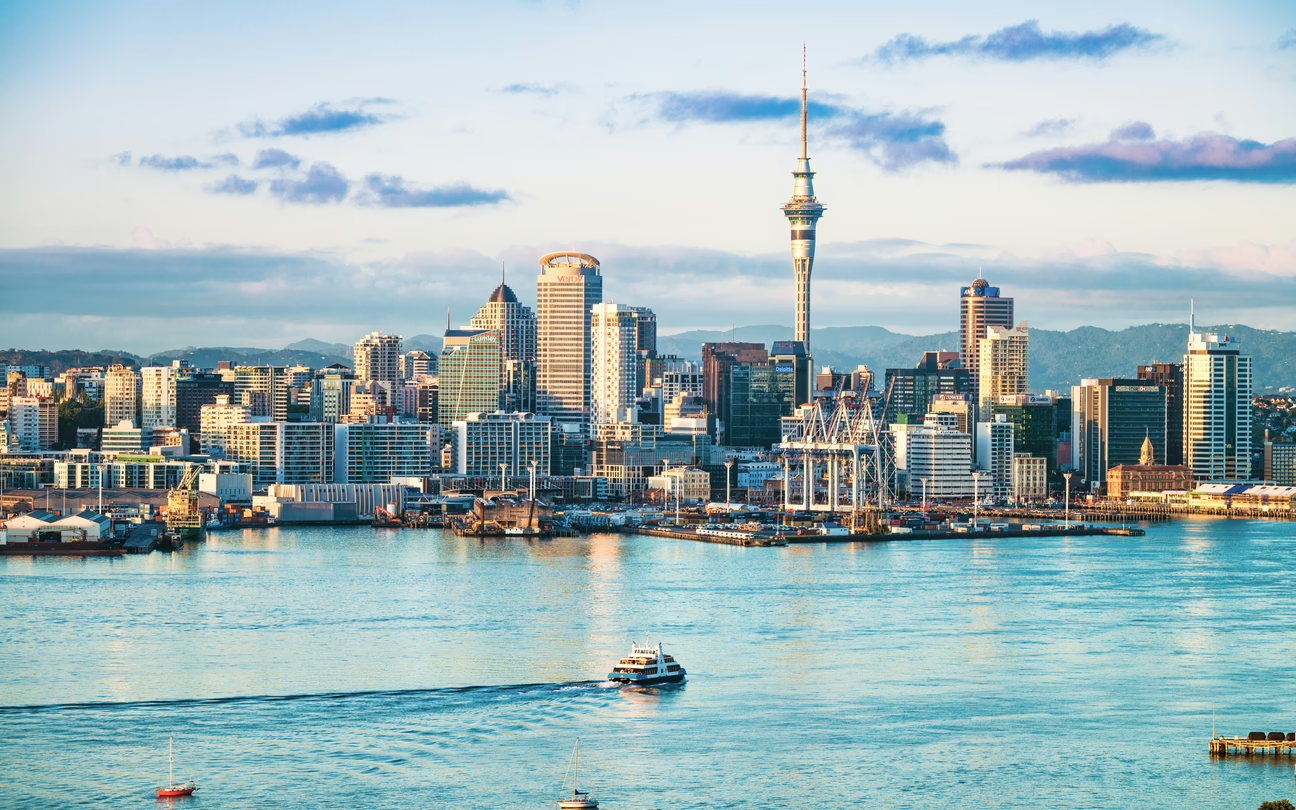
Located on the North Island, Auckland is New Zealand’s busiest and most accessible port. It handles a wide range of cargo—from vehicles to electronics—and serves as the main distribution hub for the entire country.
Port of Tauranga
Known for its deep-water capabilities and efficiency, Tauranga is the country’s largest export port and a common destination for full container load shipments. It’s especially popular for bulk goods, timber, and agricultural machinery.
Port of Wellington
As the capital’s main seaport, Wellington handles both commercial goods and government-related imports. Its central location on the Cook Strait makes it a vital link between the North and South Islands.
Port of Lyttelton (Christchurch)
Located on the South Island, Lyttelton is the main port for Canterbury and the surrounding regions. It’s ideal for serving the South Island’s agricultural, dairy, and industrial markets.
Port of Napier
Napier specializes in containerized exports and imports from the central North Island. It’s an increasingly popular port for international shipping due to its modern infrastructure and efficiency.
Customs and Documentation
Both the U.S. and New Zealand have strict customs requirements. To ensure smooth clearance, you’ll need to prepare key documents such as:
- Commercial Invoice
- Packing List
- Bill of Lading (issued by your NVOCC)
- Import declaration forms
- Certificate of Origin (for certain goods)
New Zealand has specific biosecurity rules to protect its environment, so items like wooden crates, plants, or food products must be declared and treated according to regulations.
Understanding New Zealand’s BMSB Regulations
One crucial aspect of shipping to New Zealand that every importer should be aware of is the Brown Marmorated Stink Bug (BMSB) regulations. The BMSB is an invasive pest that poses a serious threat to New Zealand’s agriculture and native ecosystems. To prevent infestation, the Ministry for Primary Industries (MPI) enforces strict BMSB seasonal measures on all international shipping containers arriving from the USA and other risk countries—typically from September through April. During this period, all affected or high-risk cargo must undergo approved treatment or fumigation before departure, and detailed documentation proving compliance must accompany the shipment. For exporters and NVOCCs, ensuring that every container meets these biosecurity requirements is essential to avoid costly delays, re-export orders, or fines. Adhering to BMSB protocols not only protects New Zealand’s environment but also helps maintain a smooth, efficient flow of goods through the ports.
Tips for a Smooth Shipping Experience
- Plan Ahead – Book your shipment several weeks in advance, especially during peak seasons (October–January).
- Pack Professionally – Use durable packaging and secure cargo to prevent shifting during ocean transit.
- Label Everything Clearly – Include item descriptions and destination addresses.
- Work with a Trusted NVOCC – Partner with an experienced logistics company that has strong relationships with carriers and local agents in New Zealand.
- Insure Your Shipment – Always purchase marine insurance to protect your goods against loss or damage.
Your Next Container Shipment to New Zealand
Shipping containers from the USA to New Zealand doesn’t have to be complicated. Whether you’re sending personal belongings, vehicles, or commercial products, understanding the basics of international shipping, the benefits of full container load options, and the value of a reliable NVOCC can make your experience smooth, affordable, and stress-free.
At Allison Shipping, we specialize in simplifying global logistics, handling every detail from documentation to delivery. With decades of expertise in Pacific trade routes, strong carrier relationships, and a commitment to customer service, our team ensures your shipment reaches New Zealand safely, efficiently, and in full compliance with all biosecurity and customs requirements.
Contact us today to learn how our freight forwarding expertise can support your international logistics and elevate your global supply chain.